What Type of Paint to Use Over Stained Wood
How to Paint Over Stained Forest – Top Methods for Painting Stained Wood

Giving new life to an quondam sentimental slice of wooden furniture and fixtures in your home can be fulfilling and rewarding. The special touch of painting the stained wood tin make it even more desirable for DIY domicile renovators. Painting over your stained wood is i of the virtually affordable ways to upcycle your one time-loved furniture. Painting over stained wood can nowadays some difficulties, however, and then in this article, we are going to lead you through various methods that can make information technology much easier.
Inhaltsverzeichnis
- ane What Makes Painting Over Stained Wood so Difficult?
- ane.1 Determining the Type of Stain
- 2 A Footstep-by-Step Guide to Painting Over Wood with Oil-Based Stain
- 2.1 Preparing Your Workspace
- 2.two Cleaning the Surface
- 2.three Preparing the Surface for Painting
- ii.4 Priming Your Wooden Surface
- 2.5 Time to Pigment!
- ii.6 Applying a Finish
- 3 Tips and Safety Precautions for Painting over Stained Wood
- iv Frequently Asked Questions
- 4.i Can You Paint Direct Onto Stained Wood?
- four.2 Tin You Actually Remove the Stain Completely?
- iv.iii What Is the All-time Paint for Painting Over Stained Wood?
What Makes Painting Over Stained Wood so Hard?
While the procedure of painting over stained wood can exist very rewarding, it tin can present some difficulties. Often the stain on the woods can brand the painting process much longer, and this can discourage people from attempting their own DIY projects. When it comes to people having difficulties painting over stained forest, it is rarely the stain that is the trouble. Instead, information technology is often the shiny and protective layer of varnish that volition create difficulties getting your paint to stick to the surface.
Fortunately, there are several piece of cake methods that you can apply to pigment over stained wood. Some methods crave you lot to sand or de-gloss the surface, while others use pigment specially formulated for painting over varnish. Depending on the status of your stained wood, the type of stain used, and the class that the forest takes, you will demand to apply slightly unlike methods for painting.
Determining the Type of Stain
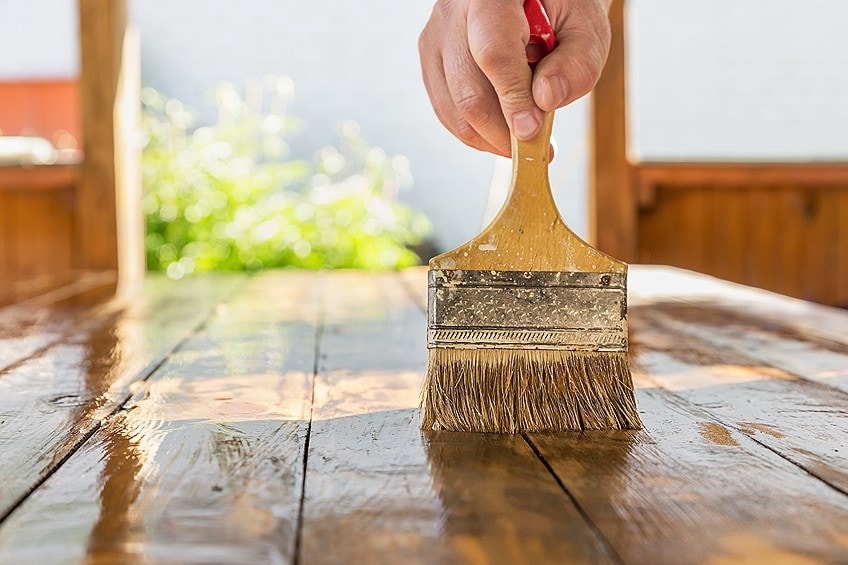
Earlier you get started, you demand to determine what kind of stain you have on your wood. The stain volition either be h2o- or oil-based. Water-based stains require little preparation and you lot tin can pigment directly onto the stained surface. In dissimilarity, oil-based stains require additional preparation because they can repel the paint. You tin can rapidly determine which type of stain you are dealing with by sprinkling a tiny amount of h2o on a section of the wood. If afterward around a minute, the water begins to bead up, the stain is oil-based.
A Pace-past-Stride Guide to Painting Over Woods with Oil-Based Stain
We take prepared an easy footstep-by-pace guide to help you lot paint over oil-stained wood. There are several variations in the method, depending on your wood and the telescopic of your budget. Nosotros embrace these variations as we get, and we also suggest some products to assist brand your life much easier. For this method you will demand the following items:
- A screwdriver
- Paintbrushes
- A tarp sail
- Dust sandpaper or liquid sandpaper
- Rubber mask and gloves
- A Paint primer
- A tack cloth
- Painters tape
- Polycrylic Protective End
- Woods filler
Preparing Your Workspace
DIY projects that involve painting over stained forest often have a few days, and then it is essential that yous have a ready-up workspace. It is best non to move the wooden pieces effectually throughout the process, so endeavor to find somewhere that y'all tin leave things for a few days. Ideally, you need to piece of work in a fairly large surface area with good ventilation.
Y'all will need to protect the flooring of your workspace with a tarp to prevent spillage.
Cleaning the Surface
The starting time thing you need to do is to remove any fittings on the wood. If information technology is a cabinet with handles, hinges, or whatever other non-wood fittings, you demand to remove them at this point. If you do non remove these items at this phase, they will become covered in pigment and you will only have to clean them at a later stage, extending your project. The second step in painting over woods with oil-based stains is to wash the wood with dish soap. Using dish soap to wash the wood removes whatsoever grease or dirt that has nerveless on the surface. The tertiary pace to preparing cleaning the surface of your wood is to fill up any cracks or holes in the wood with some woods filler.
Preparing the Surface for Painting
You have washed down the wooden surface and removed all the bits and bobs you do not desire to go paint on. It is at this phase of the procedure where the options begin to appear. Painting over stained wood without sanding will result in the stain haemorrhage through your paint. There are three different options for this step. For the first option, yous can utilize sandpaper to sand down the wooden surface and remove the gloss from the oil-based stain. The second option is to use a primer that adheres to the glossy surface and prevents whatsoever seeping through. The final option is to use a deglossing agent or liquid sandpaper.
The betoken of all of this stride is to remove the gloss from the surface of the wood, allowing the paint to adhere to the surface properly and to forestall whatsoever varnish from seeping through your paint.
Sanding
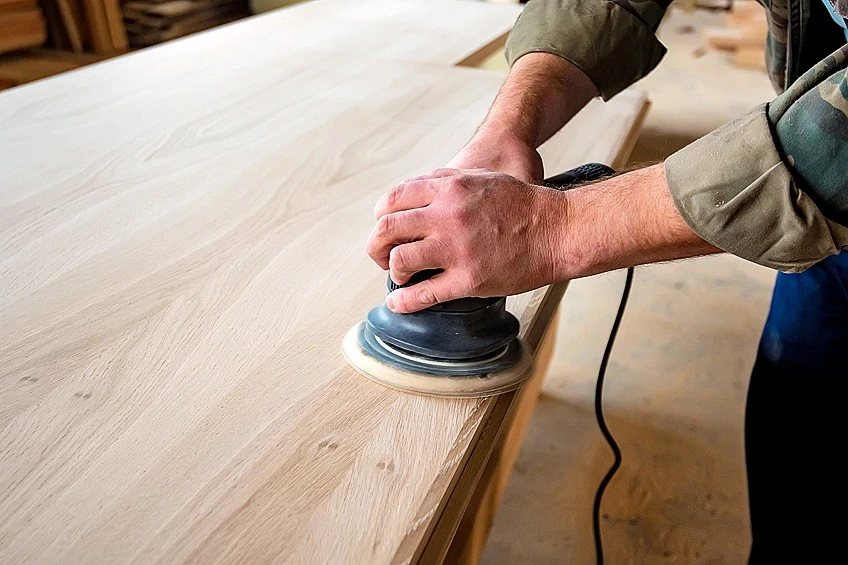
The chief goal of sanding is to make the stained wood rugged plenty for the paint to hold onto. Depending on the scale of your wood painting project, you may need an industrial sander or y'all could only use sandpaper. Whether you are sanding a large tabular array or a small film frame, you lot should use sandpaper that is between 150 and 220 grit. This level of dust is perfect for removing the varnish and creating a tactile surface for your paint to stick to. It is essential to ever wipe your surface with a tack fabric later sanding to make sure it is dust-free and to remove whatever particle or residue left past the sandpaper.
Deglossing
While sanding can have upwards to a couple of hours to prepare the wood for paint, yous can accomplish the same outcome in effectually 15 minutes by using liquid sandpaper. You can utilize the liquid sandpaper or deglossing agent with a firm synthetic paintbrush. Afterward you have painted the liquid sandpaper onto the wooden surface, wait fifteen minutes to dry. Finally, you need to wipe down the surface to remove any remaining residue and grime. so you lot only have to wipe off any residue on the surface. The wood surface will now be fix for you to put paint or primer on. The greatest affair about liquid sandpaper is that it is a h2o-based stripper. This means that you tin easily make clean your brushes with nothing more than than water. Below is our recommendation for liquid sandpaper that y'all tin can purchase on Amazon.
KRUD KUTTER Gloss-Off Pre-Paint Liquid Sandpaper
The liquid sandpaper by Krud Kutter is 1 of the well-nigh well-known in the industry. The fantastic thing about this liquid sandpaper is that information technology is solvent-free, not-toxic, h2o-based, biodegradable, and xylene-gratis. Y'all can safely utilise this liquid sandpaper on internal and external surfaces. The formulation is potent and ready-to-use and especially designed to fix difficult surfaces for painting.

- H2o-based, non-toxic, biodegradable, non-combustible and xylene-free
- The super-concentrated formula is condom for apply at home and work
- From the nearly trusted name in serious, not-solvent cleaning Krud Kutter
View on Amazon
PROS
- Like shooting fish in a barrel to apply
- Non-toxic, biodegradable, and free from solvents
- Relatively affordable
CONS
- Depending on the extent of the stain yous may demand to get out it on for longer than 15 minutes
Using a Primer
If sanding or fifty-fifty using liquid sandpaper sounds like one step too many, yous can go directly in by using a primer designed for painting over stained wood. Applying a primer is an essential step for painting over stained wood, even after you have sanded it, and so by using this kind of primer you lot are saving yourself a few steps. The primer below is our recommendation if you want to skip the sanding process for your stained wood.
RUST-OLEUM High-Hibernate Cover Stain Primer and Sealer
This stain-blocking primer is highly effective at covering dark stains and preventing them from bleeding through your paint. Yous tin use this primer on surfaces both inside and exterior, and it has fantastic adhesion to a range of dissimilar surfaces, including plaster, forest, and previously painted surfaces. When y'all use this primer, yous tin remainder bodacious that none of the woods stains will drain through and your pigment coat will stick to the wooden surface perfectly.

- Exterior/Interior use previously painted drywall, cured plaster, woods, and more than
- High-hiding oil-based primer penetrates the wood and blocks tannin bleed
- Splendid stain blocker permanently blocks and seals tough stains
View on Amazon
PROS
- Oil-based
- Provides a suitable surface for any type of paint
- Prevents stain from bleeding through
- Tin exist painted directly onto stained forest without preparation
- Easy to use
CONS
- The primer is a brilliant white which can exist difficult to embrace with lighter colors of pigment
Priming Your Wooden Surface
If y'all chose to use the primer in the last step, you tin move right on to the next one. If you sanded your wood or used the liquid sandpaper, you at present demand to prime your wooden surface. The main purpose of priming your wooden surface is to seal the wood and create a proficient surface for the paint to bond to.
While water-based primers tend to be less toxic and take a better odor, oil-based primers are more protective.
You tin can use a paintbrush or foam roller to employ your primer to your wooden surface. After the primer has stale, recollect to wipe downward the surface with your tack cloth to remove any dirt and grime.
Time to Pigment!
Once your primer is completely dry, wipe it down with the tack material to remove any dirt. The type of paint you choose to use depends entirely on the finish you want. There are several unlike finishes available, including matte, shiny, and chalk. Y'all volition typically need to utilize two to three coats of your pigment, and possibly an extra few if you have a lighter shade.
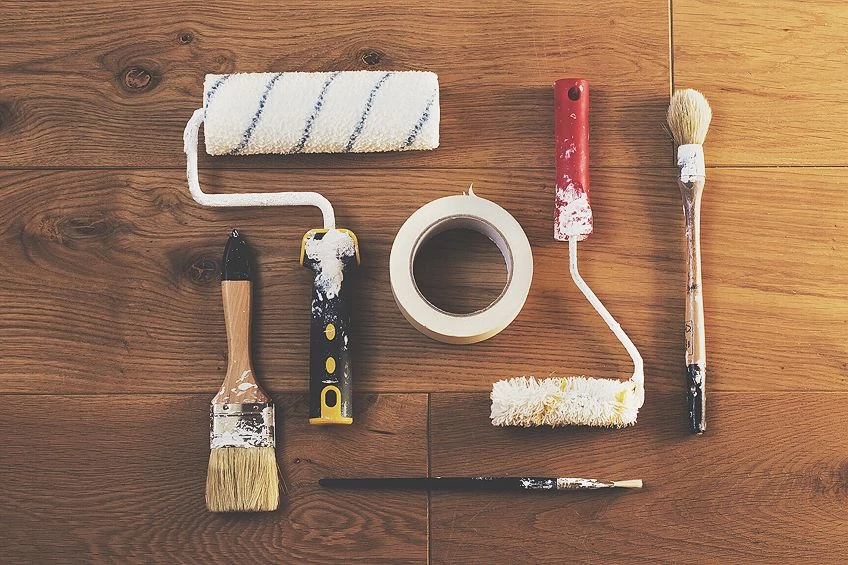
Latex-based paints do not have a strong olfactory property one time they are dry, so we suggest using these for indoor wooden objects, like doors and cabinets. For areas of loftier traffic and wooden surfaces outside, we suggest using oil-based paint. Y'all can apply both types of paint with either a paintbrush, an airless sprayer, or a cream roller. After you have applied your first glaze of paint, wait for at to the lowest degree half dozen hours before applying some other, to ensure the paint is fully dry.
Applying a Terminate
In one case you take applied all the necessary coats of paint and you take left your wooden surface to dry completely, you need to apply a cease to protect the wood and preserve the paint job. Nosotros suggest using a polycrylic end considering they are most effective and give your wood a beautiful glossy terminate.
MINWAX Wipe-on Polycrylic Wood Finish
This easy-to-use wipe-on polycrylic wood finish is our recommendation for all types of wood projects. You tin use either a castor or a rag to utilise this finish, and the formulation volition not exit whatever brush or baste marks. If you want to protect your wood against food stains, household chemicals, wear, and water, this is the perfect finish for your task. The formula consists of oil-based polyurethane, and you can buy information technology in a gloss or satin finish.

- Easy to utilise with either a cloth or brush leaving no drips or castor marks
- Protects wood against water, household chemicals, food stains, and wear
- Provides a hand-rubbed wait available in Gloss or Satin cease
View on Amazon
PROS
- Easy to utilize
- Does non get out brushstrokes or drip marks
- Protects forest against food, wear, and h2o
- Available in two different finishes
- Fast-drying
- Durable
- No odor
CONS
- Waterproofing is non good plenty for outdoor wood
Tips and Condom Precautions for Painting over Stained Woods
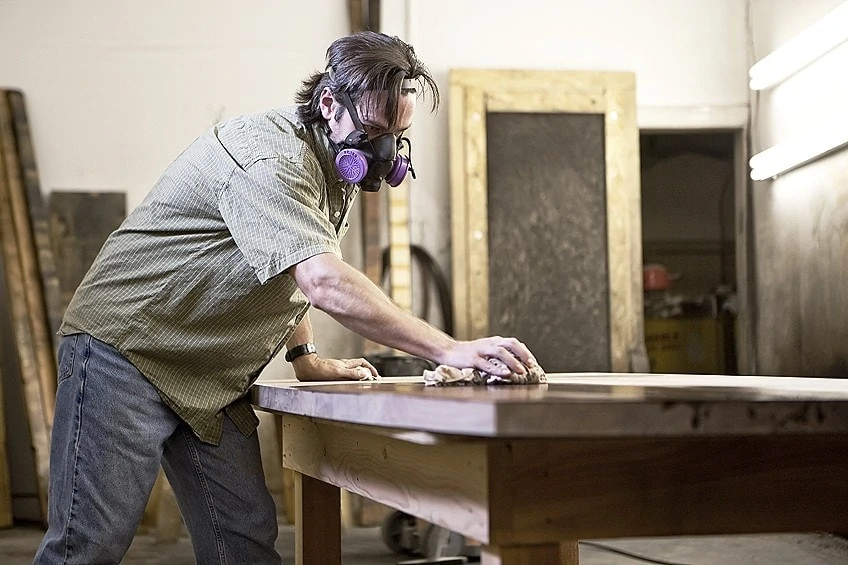
As nosotros take mentioned already, information technology is best to paint over stained wood in a well-ventilated infinite because the liquid sandpaper, primers, and wood paints can produce unpleasant and potentially harmful odors.
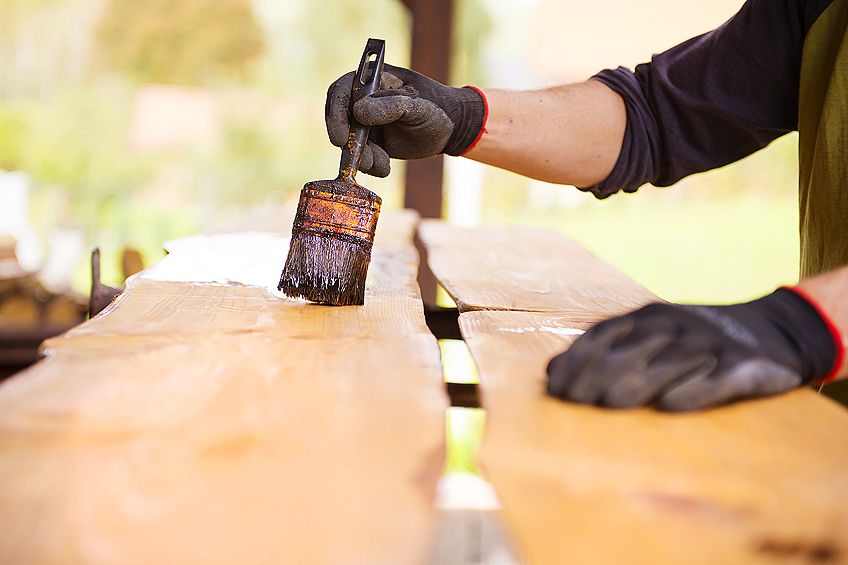
For extra protection, nosotros suggest wearing gloves and a mask. Hither are some additional tips and tricks to assistance you get the virtually out of your wood pigment.
- Employ a fan to encourage airflow, if you have to work indoors.
- Plan upfront before you start buying what y'all think y'all might need, so you lot do not finish up buying things y'all exercise non demand at the suggestion of a salesman.
- Use disposable rollers, if you do not desire to make clean upwardly afterward.
- Wear one-time dress so that you can actually focus on the projection without worrying about getting things dirty.
Painting stained wood is a fantastic way to breathe new life into a loved piece of woods. Although the staining does pose a scrap more of a bulwark, there are many products bachelor to make your life much easier.
Ofttimes Asked Questions
Can You Pigment Directly Onto Stained Woods?
No. Painting onto stained wood can look expert for a petty while, but after some time you volition find that the stain tin drain through the paint. It is always all-time to sand down the wooden surface to remove the stained gloss, and then prepare the wood for painting with a primer.
Tin You Actually Remove the Stain Completely?
It is very hard to remove the stain from your woods completely, even afterward using sandpaper or liquid sandpaper. The stain seeps into the substance of the wood, and and then you tin can only really remove the stain that sits on the surface.
What Is the All-time Pigment for Painting Over Stained Forest?
The blazon of paint you choose to use really depends on the job at manus. If you are painting an outdoor wood surface, then we recommend oil-based paint. Indoor surfaces can exist painted with latex pigment. The type of stop you lot want will also determine whether you purchase chalk paint or one with a matte or glossy finish.
Source: https://resin-expert.com/en/guide/how-to-paint-over-stained-wood

Post a Comment for "What Type of Paint to Use Over Stained Wood"